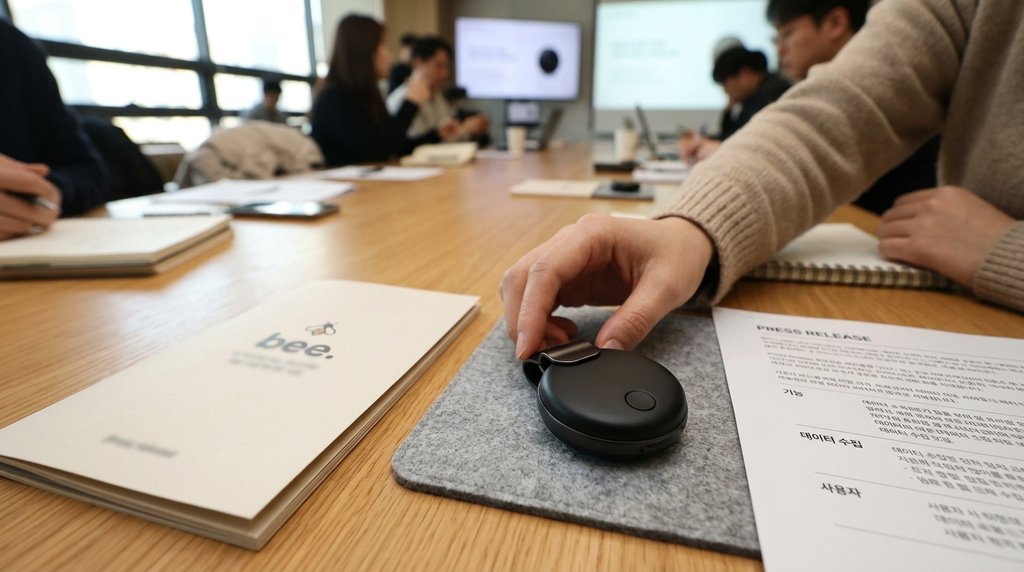
Amazon has entered the burgeoning AI wearable market with its new device, Bee, which promises to integrate artificial intelligence seamlessly into daily life. Like other devices in this category, the Bee wearable presents a dual narrative of advanced convenience coupled with inherent privacy anxieties. While specific features of the Bee were not detailed, its core proposition aligns with the industry trend of offering AI-powered assistance that is always on and readily accessible, aiming to simplify user interactions and tasks.
The introduction of devices like Amazon's Bee highlights a critical juncture in the evolution of personal technology. The AI wearable sector is characterized by a drive to move beyond traditional smartphone interfaces, embedding AI directly into accessories that users wear throughout their day. This shift, while offering potential for innovative applications and more intuitive user experiences, inherently involves the collection and processing of personal data on an ongoing basis. The industry faces the challenge of convincing consumers that the benefits of such pervasive AI outweigh the perceived risks to their personal information and digital autonomy.
For the global AI industry, the success and adoption of wearables like the Bee will largely hinge on how effectively companies address the privacy paradox. Developers and enterprises are tasked with designing systems that are both powerful and privacy-preserving, while policymakers grapple with establishing regulatory frameworks that protect users without stifling innovation. The market's response to Amazon's Bee will serve as an important indicator of consumer readiness for always-on AI devices and the industry's capacity to build trust in an increasingly data-driven world.