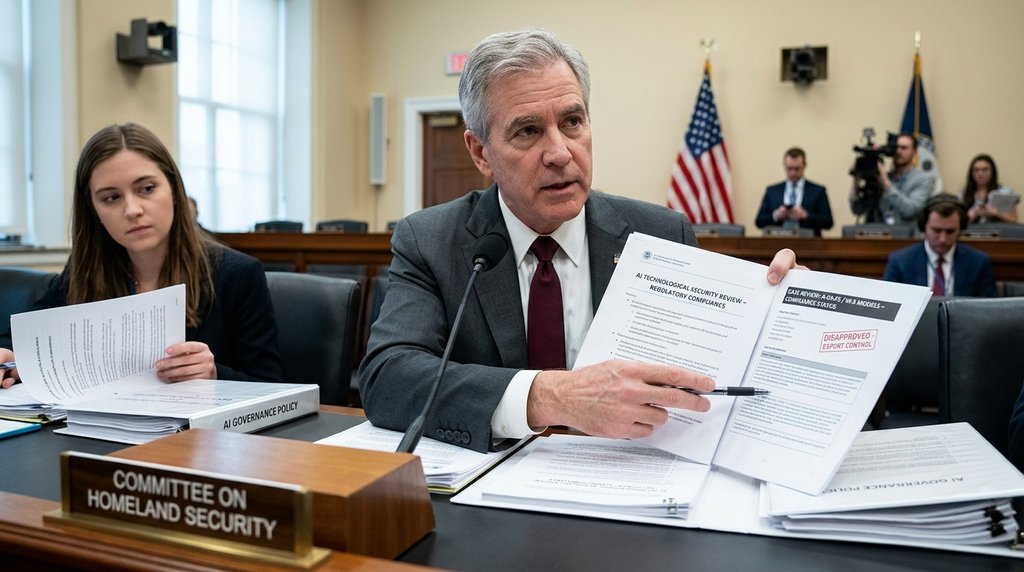
The U.S. administration has reportedly initiated actions concerning AI developer Anthropic, a move that has quickly become a focal point for discussions within the technology community. While the precise nature and scope of these governmental interventions remain largely undisclosed, the development has prompted widespread speculation regarding potential regulatory scrutiny. Industry observers are particularly keen to understand the implications, especially given the context of a potential future administration, as suggested by recent analyses. This situation highlights an evolving landscape where government oversight is increasingly intersecting with the rapid advancements in artificial intelligence, signaling a potential shift in how leading AI firms operate and innovate.
This development unfolds against a backdrop of increasing global concern over the potential societal and national security implications of advanced AI technologies. Governments worldwide, including the United States, have been actively engaged in discussions about how to effectively regulate this rapidly evolving sector without stifling innovation. The reported actions against Anthropic could represent a significant step in translating these theoretical discussions into concrete policy, potentially setting a precedent for how future AI development and commercialization are approached. Such governmental interventions could reshape the competitive landscape, influencing investment decisions and strategic partnerships across the AI industry, as companies navigate a new era of heightened scrutiny.
For AI developers and enterprises, these actions underscore a growing need to factor regulatory compliance and national security considerations into their product roadmaps and business strategies. The prospect of increased governmental oversight could lead to more cautious approaches to deploying cutting-edge models, potentially impacting the pace of innovation and market entry for new AI applications. Policymakers, on the other hand, are likely to view this as a critical test case for balancing technological progress with public safety and strategic interests. Globally, this situation could encourage other nations to accelerate their own AI regulatory frameworks, creating a more fragmented and complex international environment for AI companies. The ultimate beneficiaries or disadvantages of such crackdowns remain a subject of intense debate, with some arguing it could foster responsible AI development, while others fear it might concentrate power among a few established players or drive innovation to less regulated jurisdictions, posing new challenges for global governance of AI.