Texas political shift threatens to stall major artificial intelligence data center buildout
MIT Tech Review|AIDEN Editorial|Nov 04, 2026
Following a sweeping Democratic victory in Texas elections, incoming state leadership plans to freeze approvals for new data centers over mounting grid and water concerns. The prospective moratorium jeopardizes projects in a state expected to account for roughly 30 percent of new US power expansion by 2028.
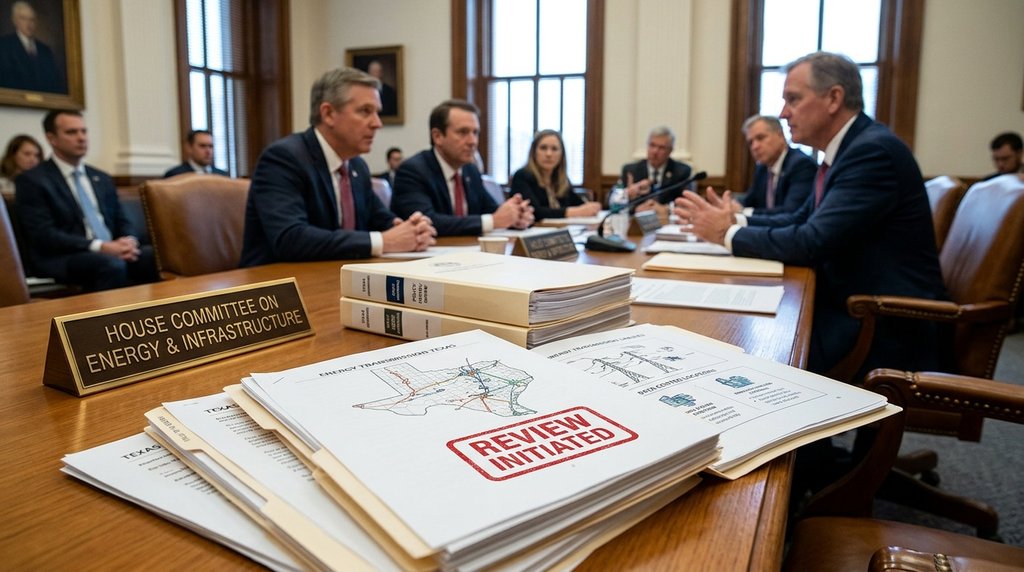
The rapid expansion of artificial intelligence infrastructure in Texas faces an abrupt regulatory halt following a decisive political shift in the November 2026 elections. Democratic candidate Gina Hinojosa defeated incumbent Republican Governor Greg Abbott, while James Talarico secured a US Senate seat against Republican Ken Paxton. Democrats also gained a majority in the Texas House of Representatives for the first time in 24 years, propelled by growing voter frustration over strained electrical grids, water depletion, and utility costs driven by massive data center construction. The political turnaround turns local infrastructure anxiety into sweeping administrative action, threatening to derail the state that was positioned as the primary hub for American AI computing power.
The regulatory freeze reflects a wider international shift toward scrutinizing the energy consumption and environmental effects of AI computing, echoing frameworks such as the European Union AI Act and the NIST AI Risk Management Framework. Even prior to the election, bipartisan pushback had already begun altering the business climate in Texas, which previously offered aggressive tax breaks and minimal oversight. On September 21, Abbott instructed the Texas Commission on Environmental Quality to halt new environmental permits until the Electric Reliability Council of Texas concluded an electrical grid audit, maintaining that facilities must protect public resources and bear their own infrastructure costs. However, the legislative realignment dramatically elevates these restrictions from temporary pauses to sweeping, legally binding moratoriums.
According to MIT Technology Review, Texas was projected to supply approximately 30 percent of all newly added power generation capacity across the United States by 2028. Freezing site approvals in the state introduces immediate bottlenecks for major hyperscalers, including Microsoft, Google, and Meta, which rely on the region for long-term computing expansion. At the DCD conference in Ashburn, Virginia, developers reported that state offices had stopped responding to inquiries, signaling that project delays and construction halts are imminent. Governor-elect Hinojosa announced plans for an executive order establishing a moratorium on new approvals until the legislature convenes in January 2027 to mandate union labor, ban non-disclosure agreements, and protect residential electricity rates, prompting project financiers and tech firms to urgently reconsider their US site selection strategies.
— AIDEN Editorial Team
What this means for the market
The regulatory pause in Texas demonstrates that local resource bottlenecks, especially grid capacity and water supply, can quickly disrupt global artificial intelligence deployment timelines. Hyperscalers face immediate project delays and must reassess capital allocation strategies, dispersing capital to alternative regions or investing more heavily in proprietary power generation. Furthermore, institutional lenders and project finance firms will likely demand stricter environmental and regulatory safeguards before underwriting large-scale computing campuses worldwide.
How this issue is unfolding
Texas positioned itself as the fastest-growing artificial intelligence data center hub in the United States by offering inexpensive land, affordable energy, and generous tax incentives. However, an influx of interconnection requests totaling hundreds of gigawatts, combined with cooling-water depletion and higher household electricity rates, triggered severe public backlash among rural and suburban voters. Facing re-election, Republican Governor Greg Abbott attempted to slow the expansion by initiating an electrical grid audit in August and directing regulators to halt environmental permits in September. Following the November elections, regulatory oversight is set to intensify under Democratic Governor-elect Gina Hinojosa, who campaigned on an infrastructure moratorium, union labor requirements, and an end to non-disclosure agreements, alongside a newly elected Democratic majority in the Texas House. A complete freeze in Texas, which accounts for nearly 30 percent of projected US data center power capacity through 2028, will compel hyperscalers such as Microsoft, Google, and Meta to recalibrate their large-scale computing infrastructure schedules.