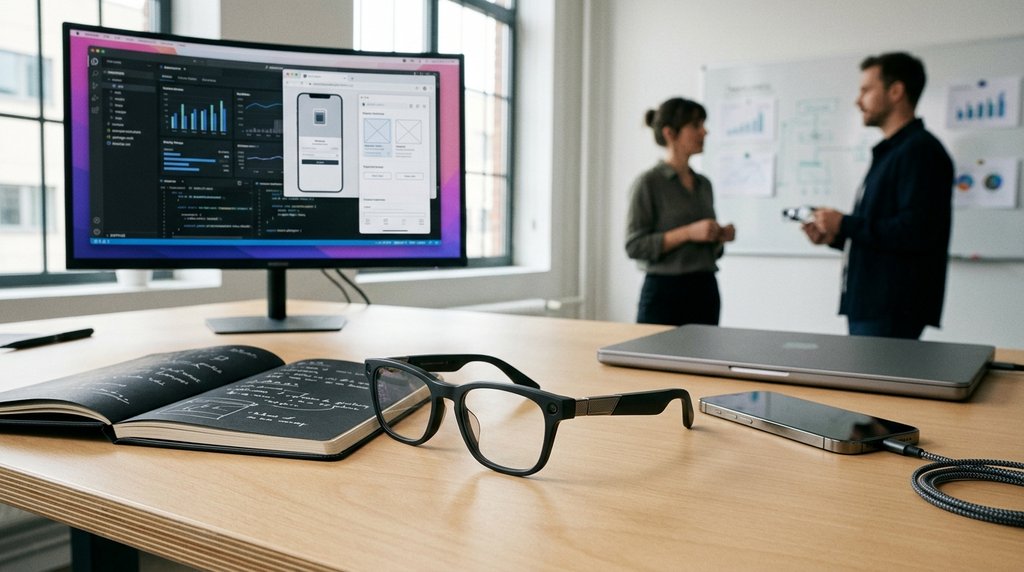
Samsung has offered a first look at its forthcoming smart glasses, showcasing two new designs and initial specifications, including a notable nine-hour battery life. Developed in partnership with Google and prominent eyewear brands Gentle Monster and Warby Parker, these devices are anticipated to launch this fall. The reveal includes two distinct frames: a new set of squared-off black glasses from Gentle Monster and a more rounded, red-brown pair from Warby Parker. Both designs incorporate a camera, a feature that immediately brings to light potential privacy challenges, echoing issues previously encountered by other smart eyewear products in the market.
This collaboration between Samsung and Google marks a significant entry into the burgeoning smart glasses sector, a market that has seen various attempts at mainstream adoption. The involvement of established fashion eyewear brands like Gentle Monster and Warby Parker suggests a strategic focus on design and user acceptance, aiming to overcome the aesthetic hurdles that have historically limited the appeal of wearable tech. The competitive landscape for smart glasses is intensifying, with companies like Meta already having introduced their own camera-equipped devices. The success of these new glasses will likely hinge on a delicate balance between advanced functionality, stylish design, and robust privacy safeguards, as consumers and regulators become increasingly sensitive to data collection capabilities in everyday wearables.
For users, the introduction of these smart glasses promises new avenues for augmented reality experiences and hands-free interaction with digital information. However, the integrated camera feature presents a critical challenge for both manufacturers and policymakers. Ensuring user trust and addressing public concerns about surveillance and data privacy will be paramount for widespread adoption. Developers will also find new opportunities to create innovative applications leveraging the glasses' capabilities, but they too must navigate the ethical implications of their creations. Ultimately, the market's reception of Samsung and Google's offering will provide valuable insights into the future trajectory of AI-powered wearables and the evolving societal expectations around personal technology and privacy.