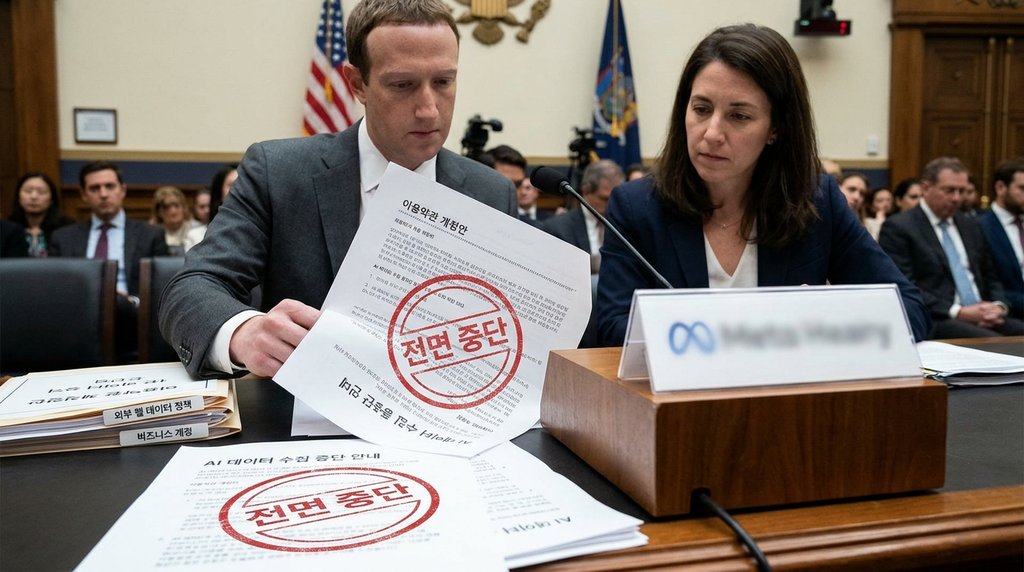
Meta has indefinitely shelved planned revisions to its commercial terms, product catalogue terms, self-service ad terms, and ad creative generative AI terms that would have permitted the automated collection of content from external websites linked to business accounts. The proposed terms, initially unveiled on October 15, 2026, sparked widespread international blowback from news publishers and enterprises who argued that the tech giant was leveraging its distribution power to secure vast troves of copyright-protected training data without proper compensation. Facing mounting legal and regulatory opposition, Meta repeatedly postponed the enforcement date from its original October 30, 2026 target to November 20, 2026, before ultimately pausing the rollout entirely to keep its existing terms in place, with a company spokesperson confirming to Reuters that Meta is halting the changes while engaging with stakeholders to get the process right.
The regulatory and legal pressure mounted swiftly following the announcement, aligning with broader European Union antitrust oversight and the rollout of the EU AI Act. In Norway, a court granted an injunction suspending the implementation of the terms following a legal challenge filed by the Norwegian Media Businesses Association, an organization representing 180 news publishers. Simultaneously, the UK Competition and Markets Authority and the European Commission initiated antitrust and unfair trade investigations into the policy. Industry advocacy groups, including the News Media Alliance representing publishers across the United States and Canada, condemned the policy, asserting that it coerced media organizations into relinquishing valuable journalistic reporting to help build competing artificial intelligence products without receiving licensing compensation.
Legal experts pointed out that the proposed terms sought to capture materials potentially worth millions of dollars in the commercial licensing market through service agreements, according to Nieman Lab and intellectual property attorney Matt Topic of Loevy & Loevy. Although Meta attempted to soften the language by removing the specific word training from clauses concerning development, improvement, and research, legal analysts noted that the revised wording remained overly broad and failed to include legally binding commitments to respect robots exclusion standards. This reversal establishes an important defense precedent for worldwide publishers reliant on social media distribution, forcing major technology corporations to reconsider using terms of service to bypass formal data licensing frameworks in favor of transparent, paid agreements.