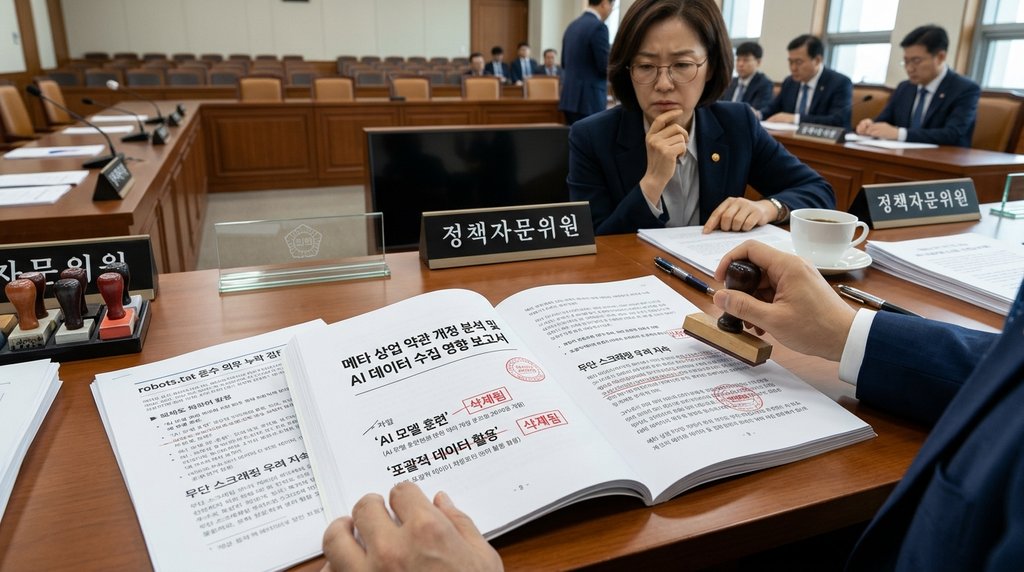
Meta has amended its proposed commercial terms of service, set to take effect on October 30, 2026, by excising explicit references to using scraped content to train its systems. The revision followed immediate pushback from news publishers and enterprises that rely on business accounts across Facebook and Instagram. Critics, including organizations highlighted by Nieman Lab, alleged that Meta was leveraging its dominant distribution platform to harvest web content from external domains without entering formal licensing agreements. While Meta previously claimed broad permissions covering all products including AI at Meta, its updated October 16 version narrowed the stated purpose to the provision, development, improvement, research, and support of advertising and business products.
The dispute highlights mounting regulatory and competitive friction surrounding generative AI data collection. Global governance initiatives, such as the European Union AI Act, increasingly emphasize opt-out rights, source transparency, and strict copyright protections. Danielle Coffey, president and chief executive of the News/Media Alliance, condemned the earlier draft as an unlawful abuse of market dominance, arguing that Meta attempted to condition social media distribution access on forced content extraction. Although Meta spokespersons Daniel Roberts and Andy Stone insisted the unified terms were never intended to scrape news sites and aimed only to clarify ad recommendation features, industry figures contend the move was an effort to circumvent licensing costs by exploiting platform reach.
Legal experts argue the changes do not fully eliminate scraping risks for online publishers. Matt Topic, an intellectual property attorney at Loevy and Loevy, noted that the amended terms still allow Meta to use scraped content for business product development, a phrase broad enough to encompass model training. James Grimmelmann, a professor at Cornell Law School, similarly warned that residual language regarding product development leaves ample ambiguity for AI-related operations. Although Meta pointed out that webmasters can block its crawlers using standard robots.txt files, the terms do not contain a binding legal commitment requiring Meta to honor those exclusions, fueling ongoing distrust among publishers seeking regulatory intervention.