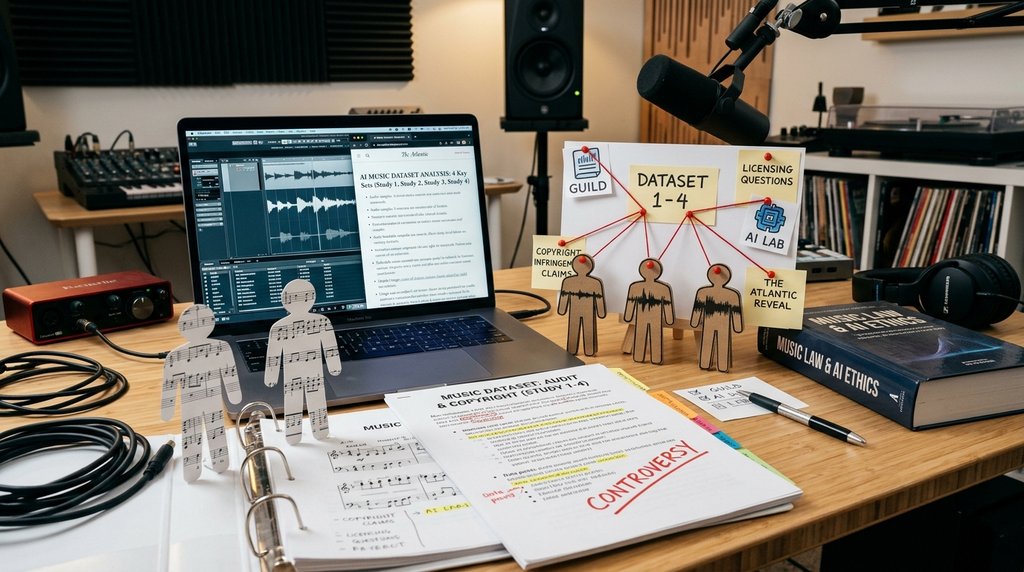
Investigative work by The Atlantic reporter Alex Reisner has led to the public release of a searchable database containing four distinct music datasets employed in the training of artificial intelligence models. Among these, two datasets are notably vast, comprising twelve million and nine million tracks respectively, while the other two still represent substantial collections of over one hundred thousand songs each. These datasets have reportedly been downloaded thousands of times, and while the full extent of their usage remains unclear, major AI developers such as Google and Stability have acknowledged their utilization in various research papers. The transparency provided by this searchable resource offers a clearer view into the foundational data powering some AI systems.
The unveiling of these datasets comes amid ongoing global discussions regarding copyright and intellectual property rights in the context of AI development. The sheer volume of music tracks involved, some of which originate from sources like the Free Music Archive that permit personal streaming but imply restrictions on commercial or re-use applications, underscores the complex legal and ethical landscape. The confirmed use by prominent industry players like Google and Stability further amplifies the importance of understanding the provenance and licensing status of training data. This move by The Atlantic contributes to a growing demand for greater transparency from AI developers about the content used to build their models, particularly as generative AI capabilities advance.
The availability of a searchable database for AI training music is poised to have significant implications for artists, developers, and policymakers worldwide. For creators, it offers a tool to potentially identify if their work has been incorporated into AI training sets, fostering greater accountability within the industry. For AI developers, it may necessitate more rigorous due diligence in sourcing and licensing data, potentially leading to new standards for data acquisition and usage. Ultimately, this increased transparency could inform future regulatory frameworks and licensing models designed to balance innovation in AI with the protection of intellectual property rights, shaping the global trajectory of AI development and its interaction with creative industries.