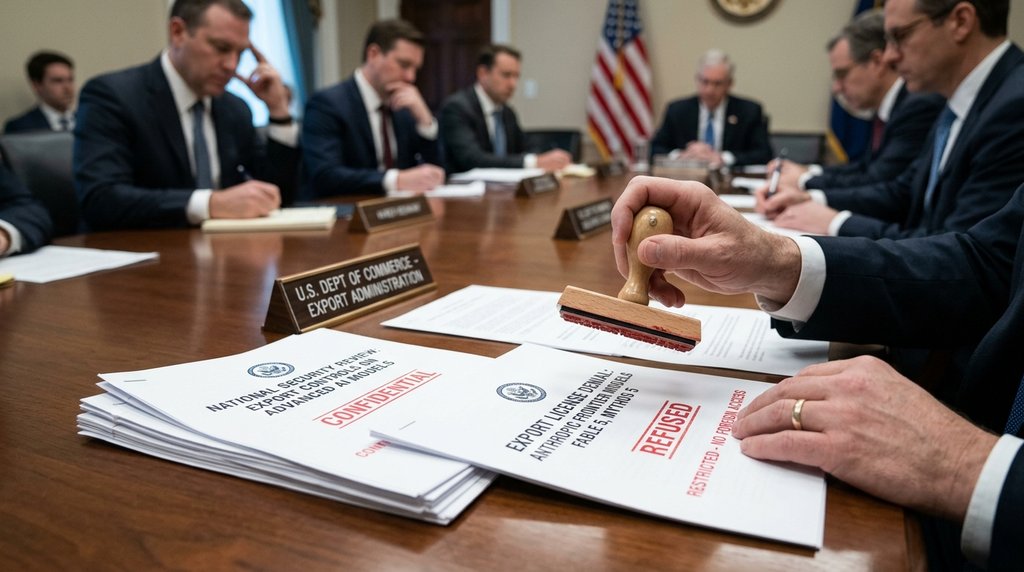
Anthropic recently restricted worldwide access to two of its advanced AI models. This action reportedly followed security concerns potentially raised by Amazon CEO Andy Jassy, highlighting growing scrutiny over AI safety and deployment.
Anthropic, a prominent artificial intelligence research company, recently implemented a global restriction on access to two of its advanced AI models. This move, which saw the models become inaccessible worldwide on a Friday, reportedly stemmed from security concerns that may have been brought to light by Amazon CEO Andy Jassy. The specific nature of these concerns has not been publicly detailed, but the incident underscores the increasing sensitivity surrounding the deployment and accessibility of powerful AI technologies.
This development highlights the significant influence that major technology leaders and their internal assessments can have on the broader AI ecosystem. As AI models become more sophisticated and capable, the potential for misuse or unforeseen risks grows, leading to heightened scrutiny from within the industry and from external stakeholders. Companies like Anthropic, which have publicly committed to developing AI safely and responsibly, are increasingly navigating a complex landscape where the balance between innovation and security is paramount. Such incidents can prompt other developers and deployers of advanced AI to re-evaluate their own security protocols and access policies.
The reported link between a major tech CEO's concerns and a subsequent global restriction on AI model access signals an evolving era of AI governance. It suggests that proactive measures, whether self-imposed or influenced by key industry figures, are becoming a critical component of managing AI's societal impact. For developers, this could mean more stringent internal reviews and a greater emphasis on secure deployment strategies. For enterprises considering integrating advanced AI, it reinforces the need for thorough due diligence regarding model safety and the potential for access changes. Ultimately, this incident contributes to the ongoing global dialogue about how powerful AI should be developed, distributed, and controlled to ensure both innovation and safety.
— AIDEN Editorial Team · Reviewed by 이현민
What this means for the market
This incident, where a major tech CEO's concerns reportedly led to global restrictions on AI model access, sets a significant precedent for the global AI market. It underscores the growing influence of key industry players in shaping AI deployment policies and emphasizes the increasing focus on security and responsible AI development worldwide. For developers, it signals a need for more robust safety protocols and transparent risk assessments, potentially impacting the speed and scope of global AI model releases. Policymakers may also view this as an example of the need for clearer guidelines on AI model governance and international access.
How this issue is unfolding
The rapid advancement of AI technology in recent years, particularly large language models (LLMs), has shown unprecedented potential across various sectors. However, concerns have also emerged regarding the severe security threats these powerful AI models could pose if misused. While Anthropic has been noted for its public commitment to AI safety, discussions about the potential risks of its models have persisted. This action by the U.S. government exemplifies the increasing importance of national security and regulatory issues alongside AI technological progress, and it is anticipated that discussions on safety and control in AI development and deployment will become even more active.