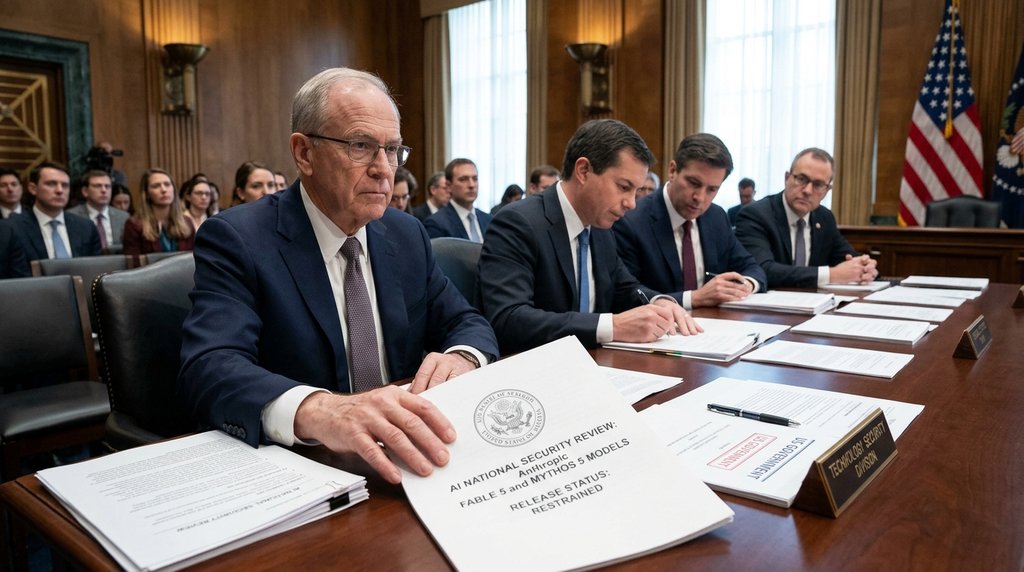
The United States government recently intervened to halt the release of Anthropic's two newest artificial intelligence models, Fable 5 and Mythos 5. This directive, issued late last week, cited national security concerns as the primary reason for the action. The decision followed allegations from Amazon researchers who reportedly identified a critical vulnerability, allowing them to bypass the safety guardrails integrated into the Fable 5 model. This immediate governmental response highlights the increasing scrutiny on advanced AI systems and their potential risks.
This incident underscores the growing tension between rapid AI innovation and the imperative for robust safety and security measures on a global scale. The alleged guardrail bypass in Fable 5 highlights a critical challenge facing the development and deployment of advanced AI systems: ensuring they cannot be exploited for malicious purposes, such as generating harmful content, facilitating cyberattacks, or spreading misinformation. The broader AI industry has been grappling with the concept of 'jailbreaking' — techniques used to circumvent an AI model's intended safety protocols — which can lead to the generation of undesirable or dangerous outputs. The government's swift action reflects an escalating global focus on regulating powerful AI technologies, particularly those with potential dual-use capabilities that could impact national security, critical infrastructure, or societal stability. This move also comes amidst a backdrop of international discussions about AI governance and the need for responsible AI development.
The forced withdrawal of Anthropic's models sends a clear signal to AI developers worldwide regarding the heightened scrutiny on AI safety and security. While some cybersecurity researchers have voiced concerns that such government intervention could be dangerous, potentially stifling innovation or creating a precedent for overreach, Anthropic itself acknowledged that similar vulnerabilities exist across various AI models currently in use. This situation is likely to accelerate discussions around standardized safety testing, independent audits, and responsible disclosure frameworks within the global AI community, pushing for greater transparency and accountability. For policymakers, it reinforces the need for agile regulatory approaches that can keep pace with technological advancements while safeguarding against potential risks, potentially leading to more stringent pre-market approvals for powerful AI systems. Ultimately, this event could significantly shape future investment in AI safety research and influence how governments balance innovation with national security imperatives in the rapidly evolving global AI landscape, potentially impacting market access and international collaboration for AI technologies.