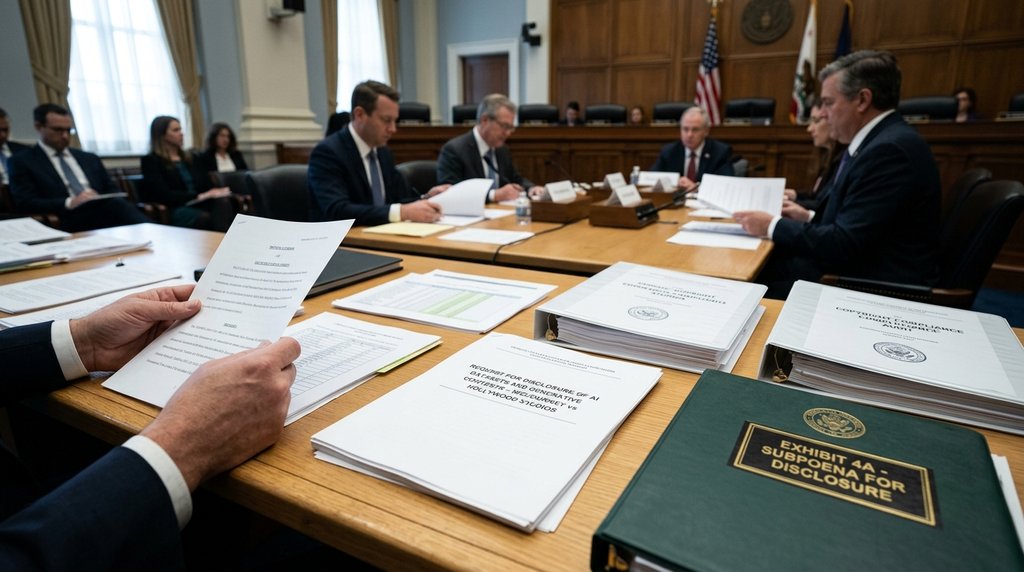
In an escalating legal dispute, generative AI company Midjourney is seeking to compel three Hollywood studios to reveal the specifics of their own artificial intelligence usage. This action is part of an ongoing legal battle, where Midjourney is attempting to gain insight into how these major content creators are employing AI technologies within their operations. The demand for disclosure underscores the complex and often contentious relationship emerging between AI developers and traditional creative industries, particularly concerning intellectual property and the application of new technologies.
This development reflects a broader global trend where the rapid advancement of generative AI is intersecting with established legal frameworks, especially in creative sectors. As AI models become more sophisticated in generating text, images, and video, questions surrounding data provenance, copyright infringement, and fair use have become central to numerous legal challenges worldwide. Midjourney's move to scrutinize the studios' AI practices can be seen as a strategic counter-measure, potentially aiming to establish a precedent for transparency or to highlight perceived double standards in the application of AI technologies across the industry.
The outcome of this particular legal maneuver could have significant implications for AI developers, enterprises, and policymakers globally. If the studios are compelled to disclose their AI usage, it could set a new standard for transparency in how companies, particularly those in content creation, utilize AI. This could influence future regulatory discussions on AI governance, data ethics, and intellectual property rights, potentially shaping how AI is developed, deployed, and integrated into various industries. It also intensifies the ongoing debate about the rights of human creators versus the capabilities and responsibilities of AI systems.