Meta removes AI training language from commercial terms following publisher pushback
TechCrunch|AIDEN Editorial|Oct 17, 2026
Meta has removed explicit references to artificial intelligence training from a draft update to its commercial terms following widespread concern from news publishers and legal experts. The revision narrows data usage permissions to advertising and business products, though rights holders caution that broader crawling authorities remain intact.
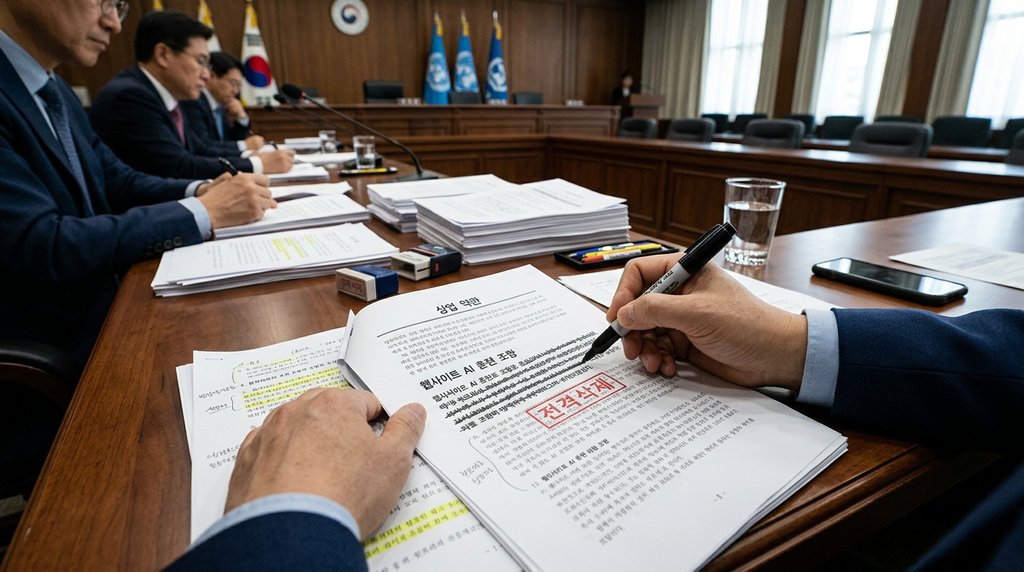
Meta has revised an upcoming draft of its commercial terms, removing explicit wording that would have permitted the company to use content from business-linked domains and web addresses to train its artificial intelligence models. The initial draft, scheduled to take effect on October 30, 2026, was reported by The Verge after Nieman Lab initially raised concerns regarding its scope. Under the earlier wording, any organization maintaining a business presence across platforms like Facebook or Instagram would have effectively granted Meta permission to harvest external website content for model development as a condition of using commercial distribution tools.
The policy reversal arrives amid mounting global regulatory scrutiny surrounding intellectual property and training data acquisition, highlighted by the implementation of the European Union AI Act alongside major copyright lawsuits brought by creators and media outlets. Critics warned that the draft language created a coercive dynamic, forcing digital publishers and corporate account holders to either abandon vital social distribution channels or surrender proprietary reporting and intellectual property without compensation. In response to widespread backlash, Meta narrowed its permissible data usage, eliminating the word train and confining domain data collection to the research, development, improvement, and maintenance of advertising and business services.
Meta executives, including vice president of communications Andy Stone and spokesperson Daniel Roberts, maintained that the updated commercial terms do not alter how the company crawls the web, noting that consolidated terms apply solely to business products while standard robots.txt exclusion protocols remain respected. Nevertheless, media representatives, including News/Media Alliance spokesperson Sam Quigley, warned that the adjustment does not eliminate underlying risks because crawling authority remains intact without an explicit guarantee barring AI model training. Consequently, publishers and enterprise organizations are expected to intensify oversight of platform agreements and reevaluate web-crawling safeguards as contractual distrust between digital creators and tech platforms persists.
— AIDEN Editorial Team
What this means for the market
The dispute highlights the escalating friction between platform operators and content creators as high-quality training data grows increasingly scarce across the global artificial intelligence sector. By attempting to secure data rights through service agreements rather than formal licensing frameworks, platform vendors risk triggering tighter legal pushback and stricter crawling restrictions from media enterprises worldwide. In response, global digital publishers are likely to reinforce technical safeguards such as robots exclusion protocols and demand more transparent data boundaries under emerging policies like the European Union AI Act.
How this issue is unfolding
As generative artificial intelligence architectures expand and high-quality training corpora face exhaustion, major technology companies have increasingly pursued legal and contractual mechanisms to secure external web resources. Meta attempted to obtain comprehensive crawling rights and artificial intelligence training permissions through revisions to the commercial terms governing corporate and news media accounts. Publishers and legal specialists sharply objected, arguing that a single terms-of-service clause could displace multi-million-dollar licensing agreements and effectively coerce organizations into permitting crawling merely to keep their distribution accounts. Facing widespread criticism, Meta retreated by striking explicit training references and limiting scope to advertising product development, yet industry stakeholders maintain that unresolved risks remain as long as baseline crawling authority persists within commercial terms.