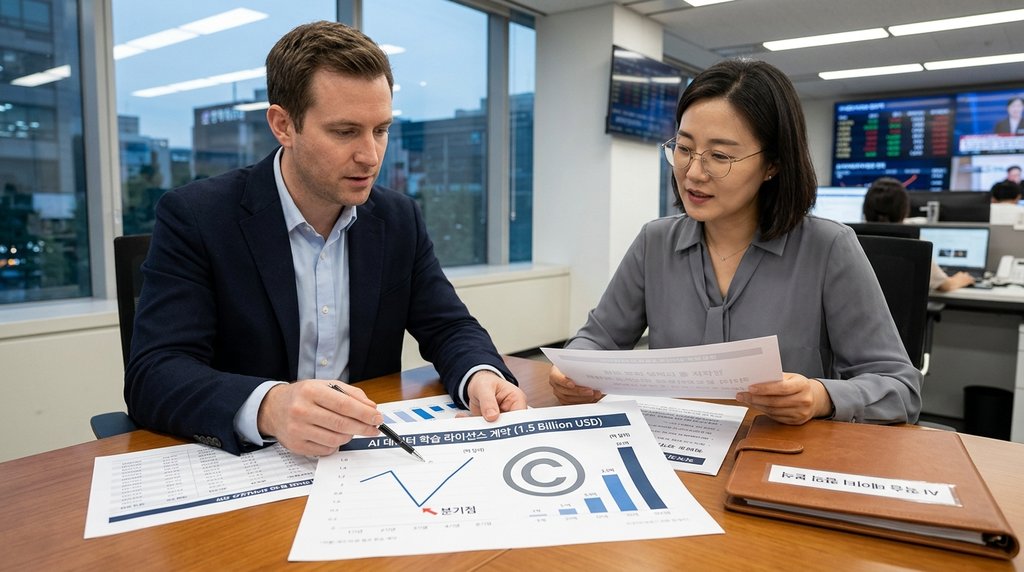
A judge has approved a landmark $1.5 billion settlement between AI developer Anthropic and a class of authors, resolving the largest copyright class-action ever certified. This agreement, which saw only 350 authors opt out, marks the largest copyright settlement in history, addressing the complex issue of AI training data and intellectual property rights.
On Monday, a judge officially approved a $1.5 billion settlement between artificial intelligence company Anthropic and a collective of authors. This decision concludes what has been recognized as the largest copyright class-action ever certified and represents the largest copyright settlement ever reached. The agreement addresses claims that Anthropic used copyrighted works to train its AI models. Despite some initial opposition from authors who argued that legal fees were too high and individual payouts, estimated at $3,000 per work, were too low, only a small fraction of the affected authors—approximately 350—chose to opt out of the settlement, indicating broad acceptance of the terms.
This settlement emerges from a legal landscape where courts have begun to differentiate between the fair use of copyrighted material for AI training and outright piracy. While a prior ruling indicated that training AI on books might constitute fair use, the court suggested that the piracy of works for such training was likely not permissible. This distinction has been a critical point of contention for AI developers, who rely heavily on vast datasets, and for creators seeking to protect their intellectual property. The resolution of this case provides a significant benchmark for the burgeoning AI industry, which has grappled with the legal and ethical implications of data sourcing.
The approval of this substantial settlement sets a crucial precedent for the global AI industry, signaling a potential shift in how AI companies approach data acquisition and intellectual property. It underscores the financial liabilities that AI developers may face for using copyrighted material without proper authorization, potentially leading to increased investment in licensed datasets or the development of new, legally compliant data sourcing methods. For authors and other creators, this outcome could empower them to seek fair compensation for their works in the AI era, fostering more robust discussions around creator rights and the future of intellectual property in an increasingly AI-driven world.
— AIDEN Editorial Team · Reviewed by 이현민
What this means for the market
This settlement establishes a significant precedent for the global AI industry, signaling that AI developers may face substantial financial liabilities for copyright infringement in training data. It will likely prompt AI companies worldwide to re-evaluate their data acquisition strategies, potentially leading to increased investment in licensed datasets or the development of new methods for data sourcing that mitigate legal risks. This outcome could also empower creators globally, encouraging more legal challenges and fostering a more robust framework for intellectual property rights in the age of generative AI.
How this issue is unfolding
This $1.5 billion copyright settlement between Anthropic and authors is poised to become a significant milestone in addressing copyright infringement issues related to AI model training data. As AI technology advances, the necessity of copyright protection has emerged, leading AI companies to confront legal and ethical challenges concerning their use of training data. This agreement demonstrates that AI companies may be required to pay substantial sums for copyright infringement, potentially influencing future AI model development and service provision methods. Furthermore, it provides a precedent for authors to demand fair compensation for their creative works in the AI era, thereby expected to invigorate discussions on protecting creators' rights.