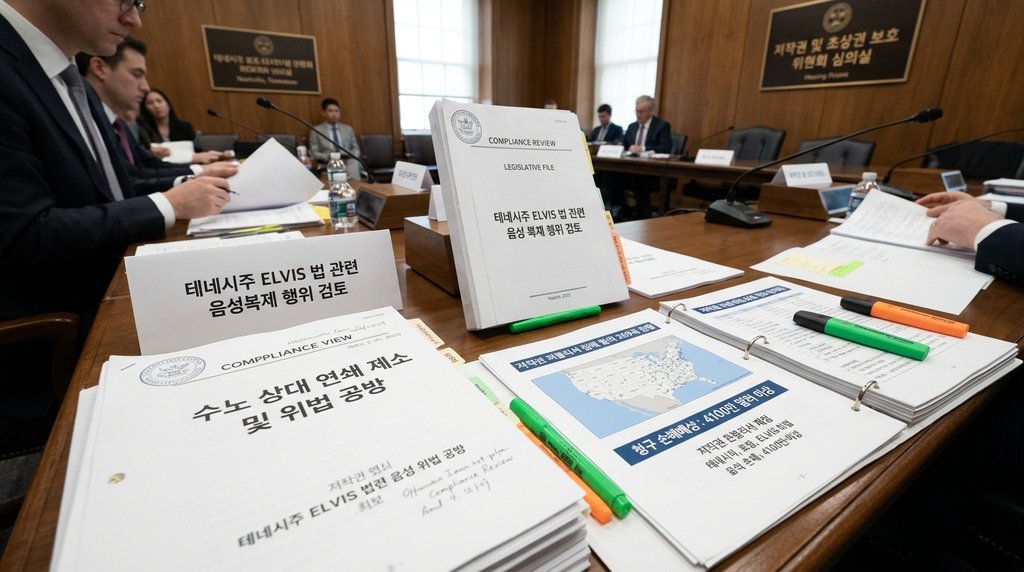
Music industry rights holders have escalated their legal offensive against artificial intelligence developers, shifting the battlefield from training data acquisition to the commercial imitation of vocal identities. On November 6, 2026, intellectual property firms managing the estate of Elvis Presley, including Authentic Brands Group and Raleigh Music Publishing, joined Eminem publisher Eight Mile Style in filing separate federal lawsuits against AI music platform Suno in the U.S. District Court for the Northern District of California, as reported by The Verge. The complaints accuse Suno of unlawfully generating tracks and lyrics that closely mimic the vocal styles and tones of both iconic artists. While earlier disputes focused on whether scraping vast catalogs to train generative models constitutes fair use under copyright law, this litigation directly attacks the synthesized vocal outputs and stylistic replication.
The Presley estate lawsuit marks the first major federal test of the Ensuring Likeness Voice and Image Security Act, a measure passed by Tennessee in 2024 to curb synthetic voice cloning and deepfakes. Plaintiffs allege that Suno copied 859 Presley recordings for model training and enabled users to generate tracks imitating his distinctive timbre in violation of the state statute. Legal counsel for the plaintiffs contended that Suno mechanically absorbed the creative dedication and identity of legendary artists to enrich its commercial service. Simultaneously, Eight Mile Style sued over 269 tracks, including hits such as Lose Yourself and The Real Slim Shady, demanding statutory damages exceeding $41 million. Eight Mile Style calculated its claim using the maximum statutory cap of $150,000 per willful infringement, yielding roughly $40.35 million across the catalog, alongside $672,000 for removing copyright management information.
Suno representative Kat McCormack defended the platform, stating that the company was founded to support original music creation rather than to commercialize the name or likeness of established figures. McCormack pointed to safety measures, including keyword blockers that reject artist names in prompts and ongoing monitoring systems designed to catch misuse. The plaintiffs argue that keyword safeguards are insufficient, asserting that descriptive prompts and stylistic cues can reliably reproduce protected vocal identities without naming artists directly. As the Northern District of California begins early hearings, the case is poised to test whether basic prompt filters shield generative platforms from publicity rights and voice-cloning liabilities, likely forcing synthesis developers worldwide to overhaul vocal output algorithms and model-vetting protocols.