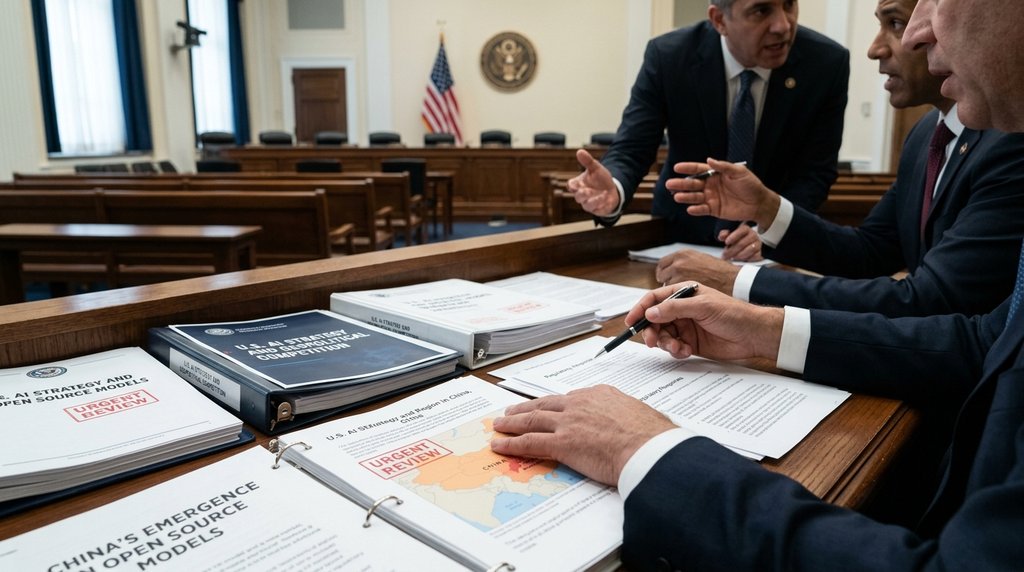
Chinese AI company Moonshot recently launched Kimi, a free, open-source model that appears to rival the intelligence of proprietary models from leading US firms like OpenAI and Anthropic. This development has ignited public disagreements among current and former AI advisors to President Donald Trump, with some publicly criticizing major American AI companies and their offerings. Concurrently, Anthropic has received approval for a record $1.5 billion copyright settlement, marking the largest known payout of its kind in history following claims that the company used pirated works to train its Claude models. This settlement underscores the growing legal complexities surrounding AI development and intellectual property.
The emergence of powerful, free AI models from China, such as Kimi, is creating significant economic and political challenges for the US administration. These accessible alternatives reduce the incentive for companies to invest in expensive proprietary models offered by American firms, prompting concerns about market competitiveness and national security. The internal division within the Trump administration's AI strategists highlights the difficulty in formulating a unified response to China's advancements, with some advocating for restrictions while others express caution. In parallel, China is reportedly exploring tighter export controls on its own AI models and chips, aiming to prevent Western acquisition of its advanced technology and startups, further escalating the global tech rivalry and complicating international supply chains.
For policymakers, the situation presents a complex dilemma: how to balance fostering domestic innovation, ensuring national security, and maintaining a competitive edge in the rapidly evolving AI landscape without stifling technological progress. The proliferation of advanced open-source models, particularly from China, could accelerate global AI adoption by lowering barriers to entry for developers and enterprises worldwide, potentially democratizing access to powerful AI tools. This shift might also encourage a more diverse ecosystem of AI development, reducing reliance on a few dominant players. Meanwhile, Anthropic's substantial copyright settlement sets a significant precedent for intellectual property rights in AI training data, potentially influencing future data acquisition strategies and the ethical considerations for model development across the industry. The intensifying US-China tech competition is poised to reshape global AI supply chains and regulatory frameworks, impacting international collaboration and market dynamics for years to come.